
Suppa AtoZ does the paperwork. The clinician signs.
From the first note to the final code, Suppa AtoZ drafts clinical notes, checks every prescription, suggests the right ICD code and pulls up the applicable guideline, inside the workflow your clinicians already use. Nothing reaches the record until a clinician reviews it.
Built for Nigerian clinical practice: local medicines, national treatment guidelines and NHIA workflows.
Fever for three days with headache and joint pains. Malaria RDT positive. Currently taking ketoconazole tablets for a skin infection, started last week.
- S
- 3-day history of fever, headache and arthralgia. On oral ketoconazole.
- O
- T 38.6 °CBP 118/76PR 96/minmRDT +ve
- A
- Uncomplicated falciparum malaria.
- P
- Artemether-lumefantrine 80/480 mg, six doses over three days.
Ketoconazole can raise lumefantrine levels and add to the risk of QT prolongation. Consider an alternative antifungal or closer monitoring.
Source: product labelling for artemether-lumefantrineSuppa AtoZ in under two minutes.
See how Suppa AtoZ drafts the note, checks the prescription and suggests the code, while the clinician stays in charge.
Consultation time belongs to the patient.
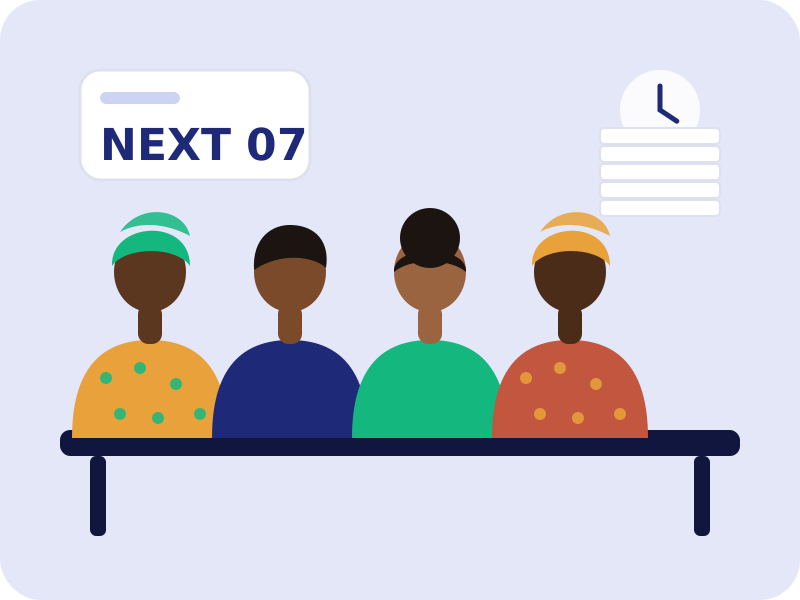
In busy Nigerian hospitals, a doctor may see dozens of patients in a clinic session. Every one needs a complete note, a safe prescription and a correct code. Suppa AtoZ takes the clerical load so attention stays on the patient.
Notes that write themselves, almost
Histories, encounter notes and discharge summaries are drafted from what the clinician types or says, and from the existing record.
A second check on every prescription
Interactions, allergies, duplicate therapy and contraindications are flagged at the moment of prescribing, not after a pharmacist query.
Codes that match the care given
ICD-10 and ICD-11 suggestions come straight from the note, giving hospitals cleaner data and HMO and NHIA claims that hold up.
Five tools that earn trust first.
We start with assistive tools that save time on day one and carry low clinical risk. Each one keeps the clinician in control and builds the clean, structured data that later tools depend on.
 Documentation
Clinical Summarisation
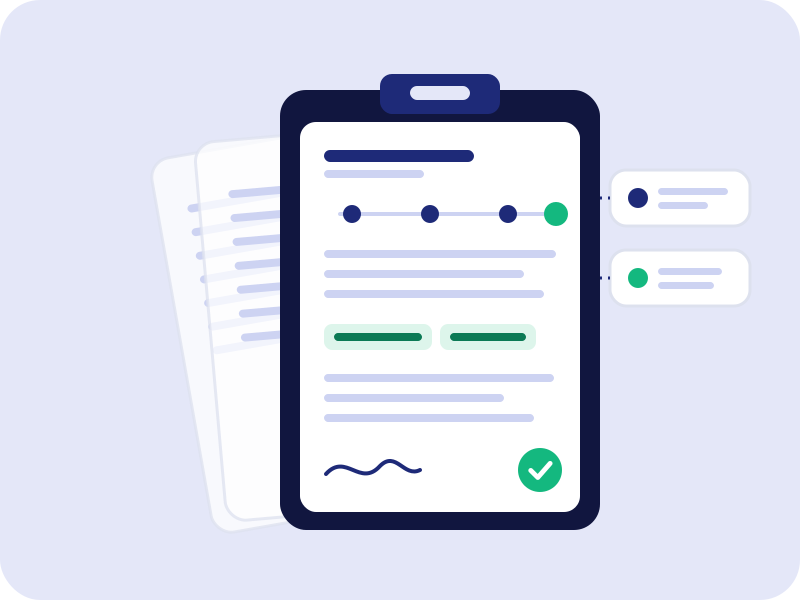
Patient histories, encounter summaries and discharge summaries drafted from the record, ready for the clinician to check and sign.
Learn more →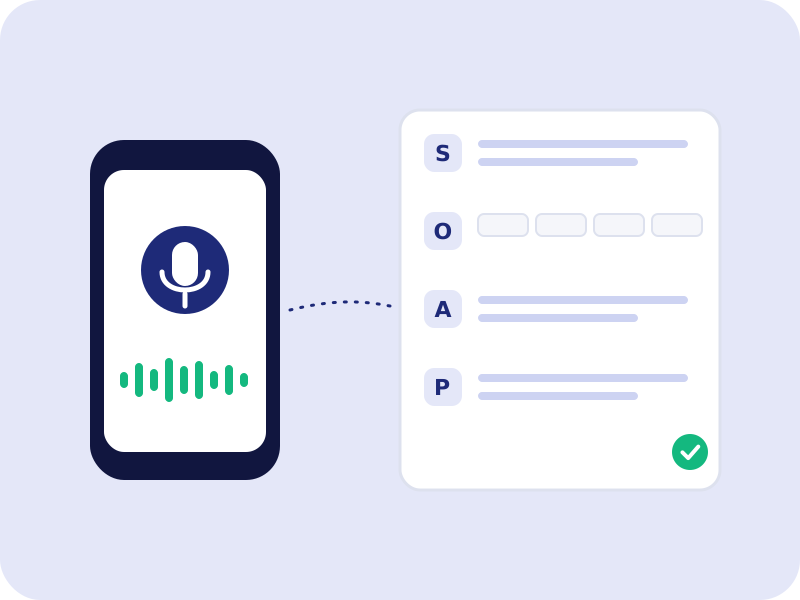 Documentation
Clinical Documentation Assistant
Structured notes from free text or dictation: SOAP notes, antenatal visits, procedure notes and referral letters.
Learn more →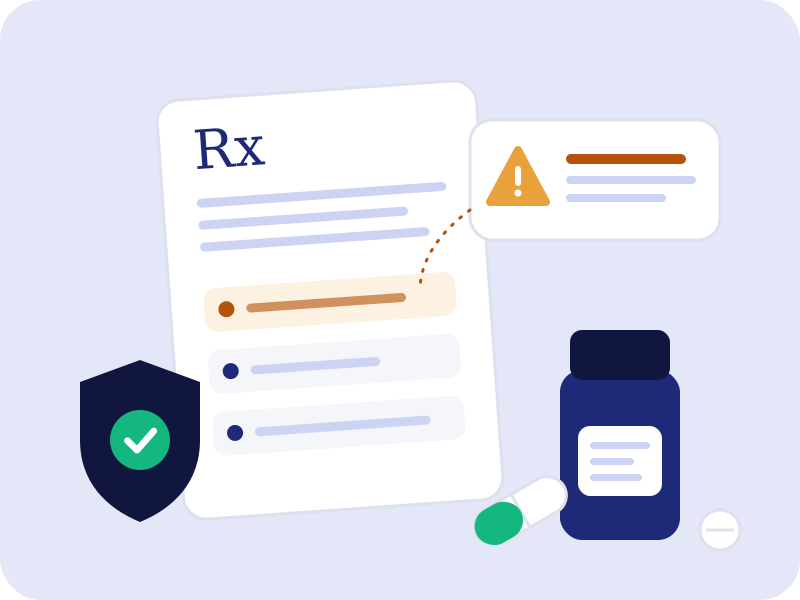 Medication
Prescription Safety
Checks interactions, allergies, duplicate therapy and contraindications against the patient's record.
Learn more →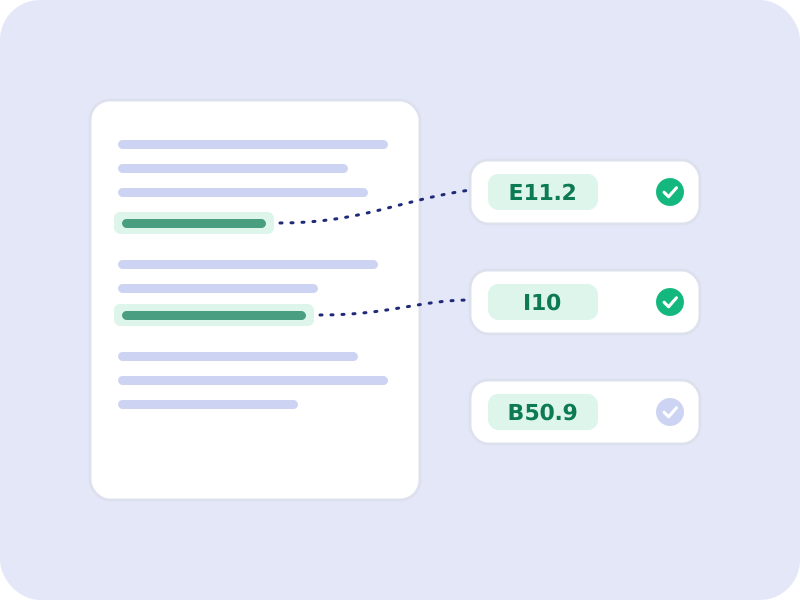 Coding
Clinical Coding
Suggests ICD-10 and ICD-11 codes from the clinical note, with the supporting text highlighted.
Learn more →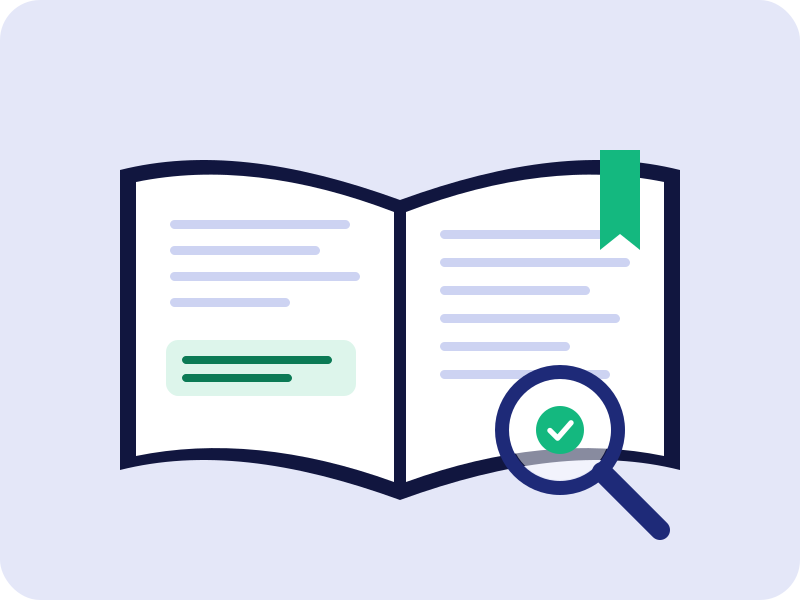 Knowledge
Treatment Guideline Assistant
Retrieves the applicable national protocol or treatment guideline for the case in front of the clinician.
Learn more →Inside the workflow, never around it.
Suppa AtoZ connects to the hospital's electronic health record, so clinicians do not switch screens or learn a new system.
The clinician works as usual
They type notes, dictate, or order medicines in the existing EHR. Suppa AtoZ reads the encounter and the patient's history with the permissions the hospital sets.
Suppa AtoZ drafts and checks
It drafts the note or summary, runs the prescription check, suggests codes and attaches the relevant guideline, each with its source.
The clinician reviews and signs
Every suggestion can be edited, accepted or rejected. Only signed content enters the record, and every decision is logged.
Assistive by design.
Clinical AI has to be trusted before it is useful. These principles apply to every Suppa AtoZ tool.
The clinician decides
Suppa AtoZ suggests, drafts and flags. It does not diagnose, prescribe or sign. A qualified clinician approves everything that enters the record.
Every suggestion is traceable
Each output shows its source, and an audit trail records what was suggested, what the clinician changed and who signed.
Grounded in Nigerian practice
Content draws on the Nigeria Standard Treatment Guidelines, NAFDAC-registered medicines and national programme protocols.
Validated before release
Each tool is tested against clinician review on local data before it reaches wards, and its performance is monitored after.
Patient data protected
Data handling is designed to meet the Nigeria Data Protection Act 2023, with consent workflows, role-based access and encryption in transit and at rest.
Works where care happens
Connects to existing EHRs through HL7 FHIR and is designed for low-bandwidth facilities, not only well-connected teaching hospitals.
From the ward to the programme office.
Hospitals
Teaching, federal, state and private hospitals that want faster documentation and safer prescribing.

State health ministries
Ministries and hospital management boards modernising care across public facilities.
HMOs and NHIA programmes
Payers who need accurate coding and claims backed by clinical documentation.
EHR partners
Health record vendors adding clinical AI to their platforms through a single integration.