

Assistive by design.
Clinical AI has to be trusted before it is useful. Every Suppa AtoZ tool is built to support clinical judgement, never to replace it.
Six commitments behind every tool.
Every suggestion is traceable, every decision is logged, and the clinician signs.
The clinician decides
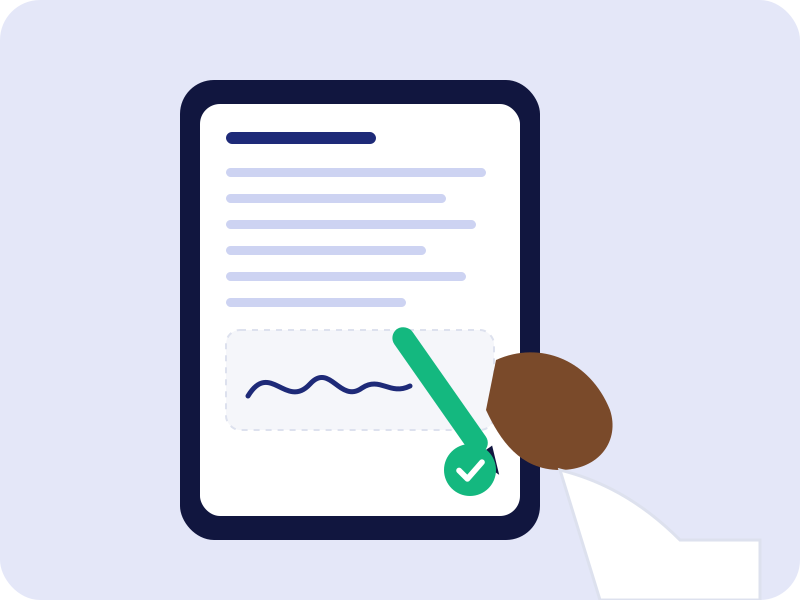
Suppa AtoZ suggests, drafts and flags. It does not diagnose, prescribe or sign. A qualified clinician approves everything that enters the record.
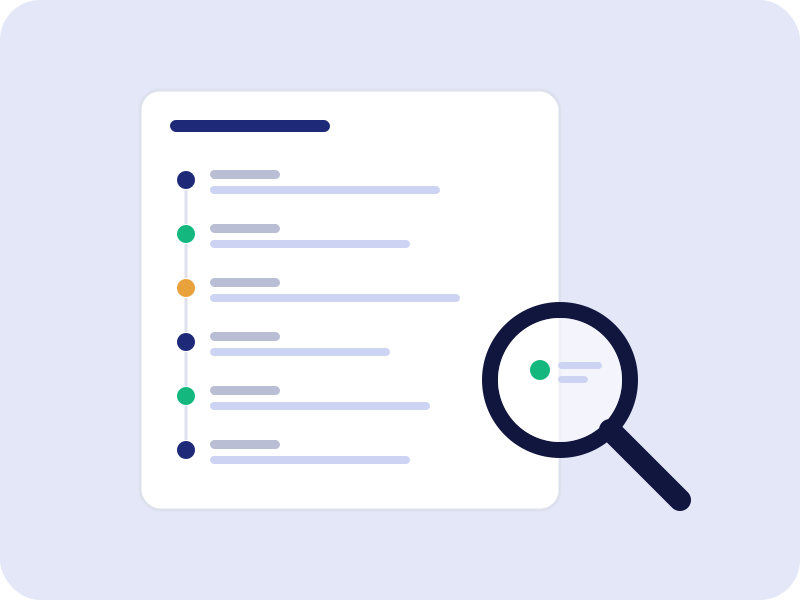
Every suggestion is traceable
Each output shows its source, and an audit trail records what was suggested, what the clinician changed and who signed.
Grounded in Nigerian practice
Content draws on the Nigeria Standard Treatment Guidelines, NAFDAC-registered medicines and national programme protocols.
Validated before release
Each tool is tested against clinician review on local data before it reaches wards, and its performance is monitored after.
Patient data protected
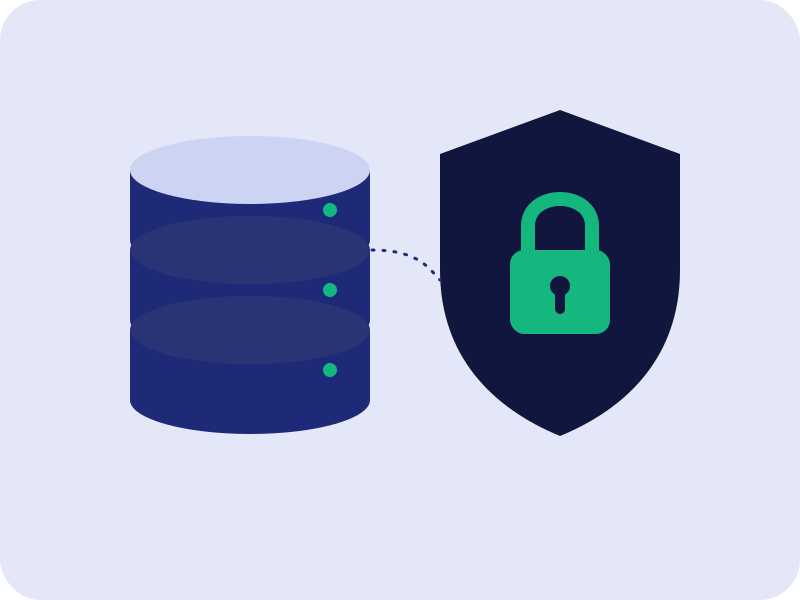
Data handling is designed to meet the Nigeria Data Protection Act 2023, with consent workflows, role-based access and encryption in transit and at rest.
Works where care happens
Connects to existing EHRs through HL7 FHIR and is designed for low-bandwidth facilities, not only well-connected teaching hospitals.
What Suppa AtoZ does not do.
Being clear about limits is part of being safe.
- It does not diagnoseIt can surface information and suggestions. The diagnosis is always the clinician's.
- It does not prescribeIt checks prescriptions. Only a licensed prescriber can write or change one.
- It does not sign or fileDrafts stay drafts until a clinician signs them.
- It does not inventSummaries and codes come only from what is documented in the record.
Data protection built in.
Patient information is handled to the standard of the Nigeria Data Protection Act 2023.
- Lawful basis and consentProcessing follows the hospital's lawful basis, with consent workflows where required, such as for recorded consultations.
- Least accessRole-based access means each user sees only what their role needs.
- EncryptionData is encrypted in transit and at rest.
- Full audit trailEvery access, suggestion and signature is logged and available to the hospital.
Proven locally before it reaches the ward.
Models trained elsewhere can behave differently on Nigerian patients, medicines and records. That is why each tool is validated where it will be used.
Tested on local data
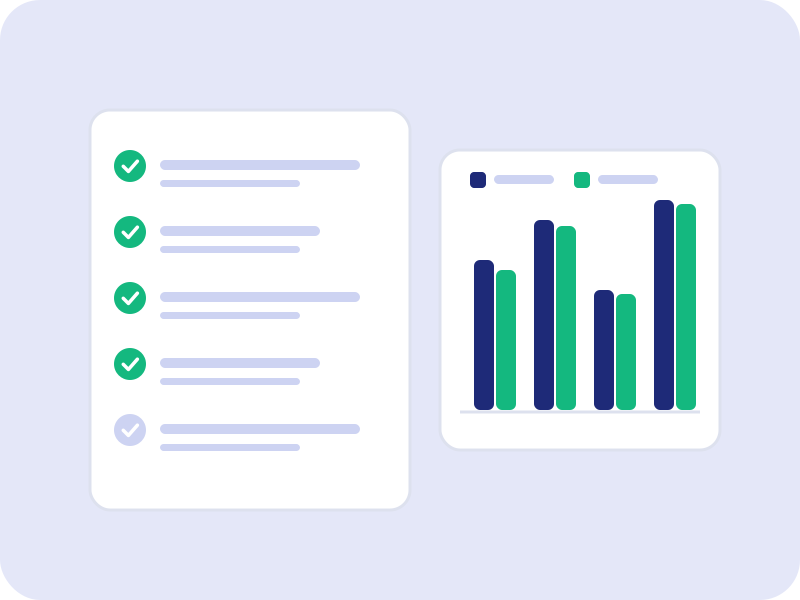
Outputs are compared with experienced clinicians' review on records from the deploying hospital.
Released in phases
Tools start with a pilot group and expand only when performance holds up.
Monitored continuously
Acceptance and override rates are tracked so problems are caught early.